The Importance of Sustainable Agriculture
Sustainable agriculture is more than just a buzzword; it’s a necessity for the future of our planet. With the global population expected to reach 9.7 billion by 2050, the demand for food will increase significantly. Sustainable farming practices aim to meet this demand while minimizing environmental impact and ensuring the long-term viability of our agricultural systems.
By adopting sustainable practices, farmers can reduce their reliance on chemical inputs, conserve natural resources, and promote biodiversity. This not only benefits the environment but also contributes to the health and well-being of rural communities. Moreover, sustainable agriculture can enhance the resilience of farms to climate change, ensuring food security for future generations.
Incorporating sustainable practices into farming routines can also lead to economic benefits. Farmers who adopt these methods often see improved soil health, increased crop yields, and reduced input costs over time. Additionally, there is a growing market for sustainably produced goods, providing farmers with new opportunities to diversify their income streams.
Key Sustainable Farming Practices
There are several key practices that farmers can adopt to make their operations more sustainable. These include:
- Crop Rotation: Rotating crops helps to maintain soil fertility, reduce pest and disease cycles, and improve overall farm productivity.
- Cover Cropping: Planting cover crops during off-seasons can prevent soil erosion, improve soil structure, and enhance water retention.
- Integrated Pest Management (IPM): IPM uses a combination of biological, cultural, physical, and chemical tools to manage pests in an environmentally sensitive manner.
- Agroforestry: Integrating trees with crops and livestock can provide multiple benefits, including improved soil health, increased biodiversity, and additional income streams.
- Water Conservation: Implementing water-saving technologies and practices, such as drip irrigation and rainwater harvesting, can significantly reduce water usage and improve farm sustainability.
The Role of Technology in Sustainable Agriculture
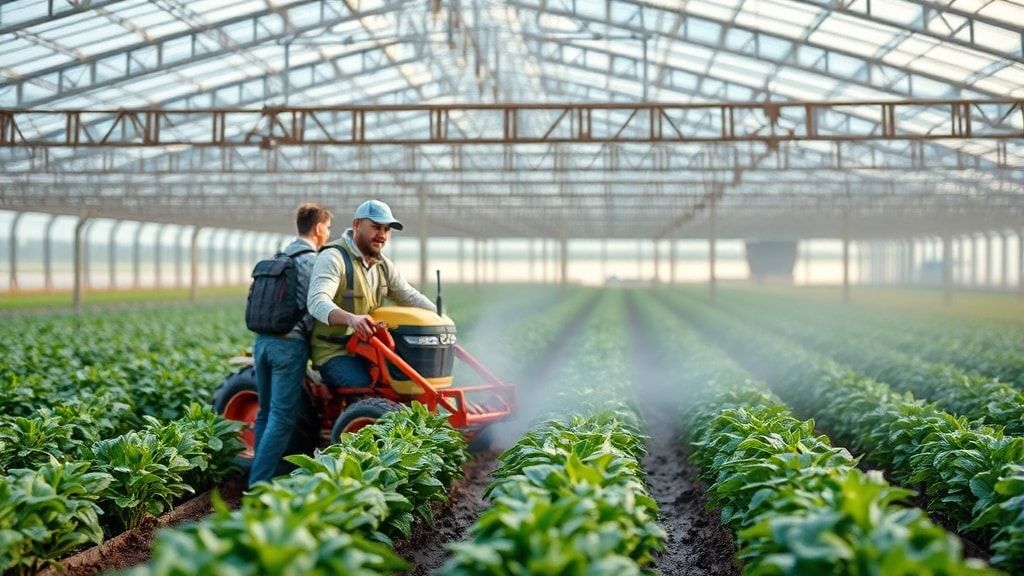
Technology plays a crucial role in advancing sustainable agriculture. Precision farming, for instance, uses GPS and satellite imagery to optimize the use of inputs like water, fertilizer, and pesticides. This not only reduces waste but also improves crop yields and farm profitability.
Another innovative technology is the use of drones and sensors for monitoring crop health and soil conditions. These tools provide real-time data that farmers can use to make informed decisions about irrigation, fertilization, and pest control. Additionally, advancements in biotechnology are enabling the development of more resilient and nutrient-efficient crop varieties.
While technology can be a powerful tool for sustainable agriculture, it’s important to ensure that it is accessible and affordable for farmers, especially those in rural and developing regions. Governments and agricultural organizations can play a key role in promoting the adoption of these technologies through education, subsidies, and support programs.
Health and Well-being in Rural Communities
Sustainable agriculture is not just about the environment; it’s also about the health and well-being of rural communities. Farmers who adopt sustainable practices often experience improved mental and physical health due to reduced exposure to harmful chemicals and increased engagement with nature.
Moreover, sustainable farming can contribute to the economic vitality of rural communities. By diversifying their income streams and reducing input costs, farmers can invest in their communities, creating jobs and supporting local businesses. This can help to stem the tide of rural depopulation and ensure that these communities thrive for generations to come.
It’s also important to consider the role of healthcare in rural communities. Access to today’s best practices for dental care and other essential health services is crucial for the well-being of farmers and their families. By promoting sustainable agriculture and investing in rural healthcare, we can create a healthier, more resilient future for these communities.
Challenges and Opportunities
Despite the many benefits of sustainable agriculture, there are also significant challenges. Farmers often face barriers such as high upfront costs, lack of access to information and resources, and resistance to change. Additionally, market forces and policy decisions can sometimes discourage the adoption of sustainable practices.
However, there are also many opportunities for advancing sustainable agriculture. Governments and international organizations can provide financial incentives, technical assistance, and policy support to encourage farmers to adopt sustainable practices. Consumers can also play a role by choosing to purchase sustainably produced goods and supporting farmers who prioritize environmental stewardship.
Furthermore, there is a growing recognition of the need for sustainable agriculture within the scientific and academic communities. Research into new technologies, crop varieties, and farming practices can provide valuable insights and tools for farmers looking to make their operations more sustainable. By working together, we can overcome the challenges and seize the opportunities presented by sustainable agriculture.
Conclusion
Sustainable agriculture is a critical component of a greener, more resilient future. By adopting practices that prioritize environmental health, economic viability, and social well-being, farmers can help to ensure that our agricultural systems can meet the needs of future generations. While there are challenges to overcome, the opportunities presented by sustainable agriculture are vast and promising.
As consumers, policymakers, and members of the agricultural community, we all have a role to play in promoting sustainable farming practices. By working together, we can cultivate a greener future for ourselves, our communities, and our planet.
To stay updated on the latest advancements in the field, consider exploring innovations in sustainable farming practices and their impact on rural communities.
If you’re considering diversifying your agricultural investments, exploring the potential of Turkish villas and rural properties could offer unique opportunities in sustainable farming and countryside living.
Discover how Sheffield's innovative strategies can inspire rural communities to enhance their well-being and sustainability with health initiatives for farmers.