The Importance of Sustainable Farming
In an era where climate change and environmental degradation are at the forefront of global concerns, sustainable farming practices have become more crucial than ever. Agriculture, while essential for food production, is also a significant contributor to environmental issues such as deforestation, soil degradation, and water pollution. By adopting sustainable practices, farmers can mitigate these impacts while ensuring long-term productivity and profitability.
Key Sustainable Farming Practices
Sustainable farming encompasses a variety of techniques and strategies aimed at reducing environmental impact and promoting ecological balance. Here are some of the key practices that are gaining traction in the agricultural community:
Crop Rotation
Crop rotation is a time-honored practice that involves growing different types of crops in the same area in sequential seasons. This method helps to improve soil fertility, reduce pest and disease cycles, and enhance biodiversity. By rotating crops, farmers can also reduce their reliance on chemical fertilizers and pesticides, leading to a more sustainable and eco-friendly farming system.
Cover Cropping
Cover cropping involves planting specific crops, such as legumes or grasses, to cover the soil during off-seasons or between rows of cash crops. These cover crops help to prevent erosion, improve soil structure, and enhance water retention. Additionally, they can fix nitrogen in the soil, reducing the need for synthetic fertilizers. Cover crops also provide habitat and food for beneficial insects and wildlife, promoting biodiversity on the farm.
Integrated Pest Management (IPM)
Integrated Pest Management (IPM) is a holistic approach to pest control that combines biological, cultural, physical, and chemical methods to manage pests in an environmentally friendly manner. IPM focuses on preventing pest problems rather than reacting to them, reducing the need for chemical pesticides. This approach not only protects the environment but also ensures the safety of farm workers and consumers.
Agroforestry
Agroforestry is the practice of integrating trees with crops and livestock on the same piece of land. This practice can improve soil health, enhance biodiversity, and provide additional income streams for farmers. Trees can also act as windbreaks, reducing soil erosion and improving microclimates for crops. Agroforestry systems are particularly beneficial in tropical and subtropical regions, where they can help to restore degraded lands and promote sustainable land use.
The Role of Technology in Sustainable Farming
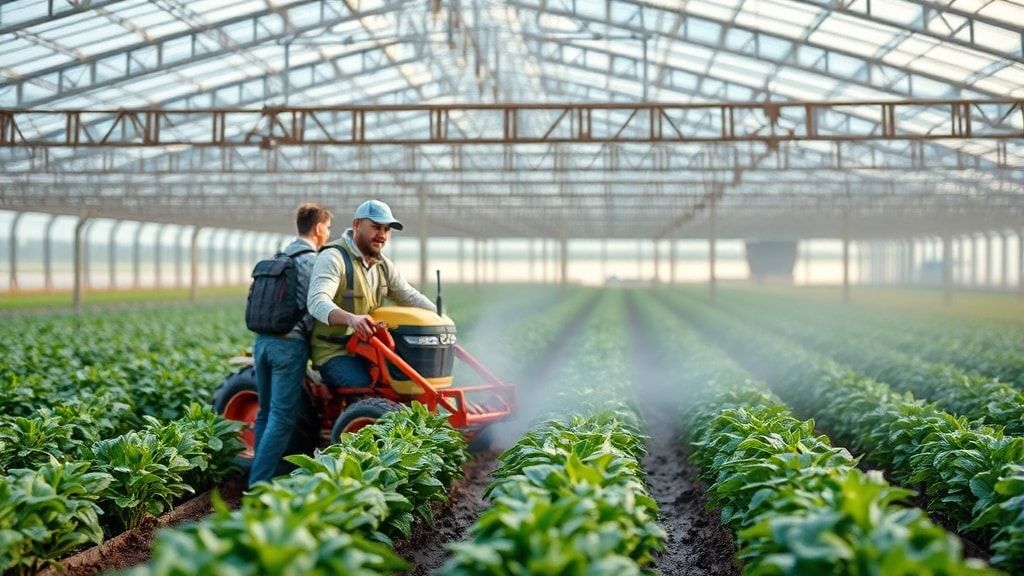
Advancements in technology are playing a significant role in promoting sustainable farming practices. Precision agriculture, for instance, uses GPS, remote sensing, and data analytics to optimize the use of inputs such as water, fertilizers, and pesticides. This not only reduces waste but also improves crop yields and farm profitability. Additionally, technologies like drones and autonomous tractors are making it easier for farmers to monitor and manage their fields more efficiently.
Moreover, the rise of vertical farming and hydroponics is revolutionizing the way we grow crops. These methods use significantly less water and land compared to traditional farming, making them ideal for urban environments and areas with limited arable land. As the demand for fresh, locally grown produce continues to grow, these innovative farming techniques are becoming increasingly important.
The Future of Sustainable Farming
The future of sustainable farming looks promising, with a growing emphasis on regenerative agriculture, which focuses on restoring soil health and ecosystem services. Regenerative practices such as no-till farming, composting, and holistic grazing are gaining popularity as farmers seek to build resilient and productive farming systems. These practices not only improve soil health but also enhance the farm’s ability to sequester carbon, mitigating the impacts of climate change.
Furthermore, the global food system is evolving, with a greater focus on sustainability and ethical consumption. As consumers become more aware of the environmental and social impacts of their food choices, there is a growing demand for sustainably produced goods. This shift in consumer behavior is driving farmers to adopt more sustainable practices and is creating new opportunities for innovation and collaboration in the agricultural sector.
For those interested in the intersection of agriculture and food trends, exploring the top asian food trends in 2026 can provide valuable insights into how sustainable practices are shaping the future of food production and consumption.
Conclusion
Sustainable farming practices are not just a trend; they are a necessity for ensuring the long-term viability of agriculture and the health of our planet. By adopting practices such as crop rotation, cover cropping, integrated pest management, and agroforestry, farmers can reduce their environmental impact while improving their bottom line. The role of technology in promoting sustainability cannot be overstated, and the future of farming lies in the integration of innovative techniques and regenerative practices. As we look ahead, it is clear that sustainable farming will play a crucial role in shaping a greener, more resilient future for all.
To help farmers adopt more sustainable practices, consider exploring sustainability guidelines for agriculture that can improve crop yields and environmental health.
After a long day tending to your crops, consider unwinding with a relaxing experience at home; explore a fun night with Asian massage to ease those hardworking muscles.
To understand how global events can impact local communities, including those focused on agriculture, delve into global influences on local sports.