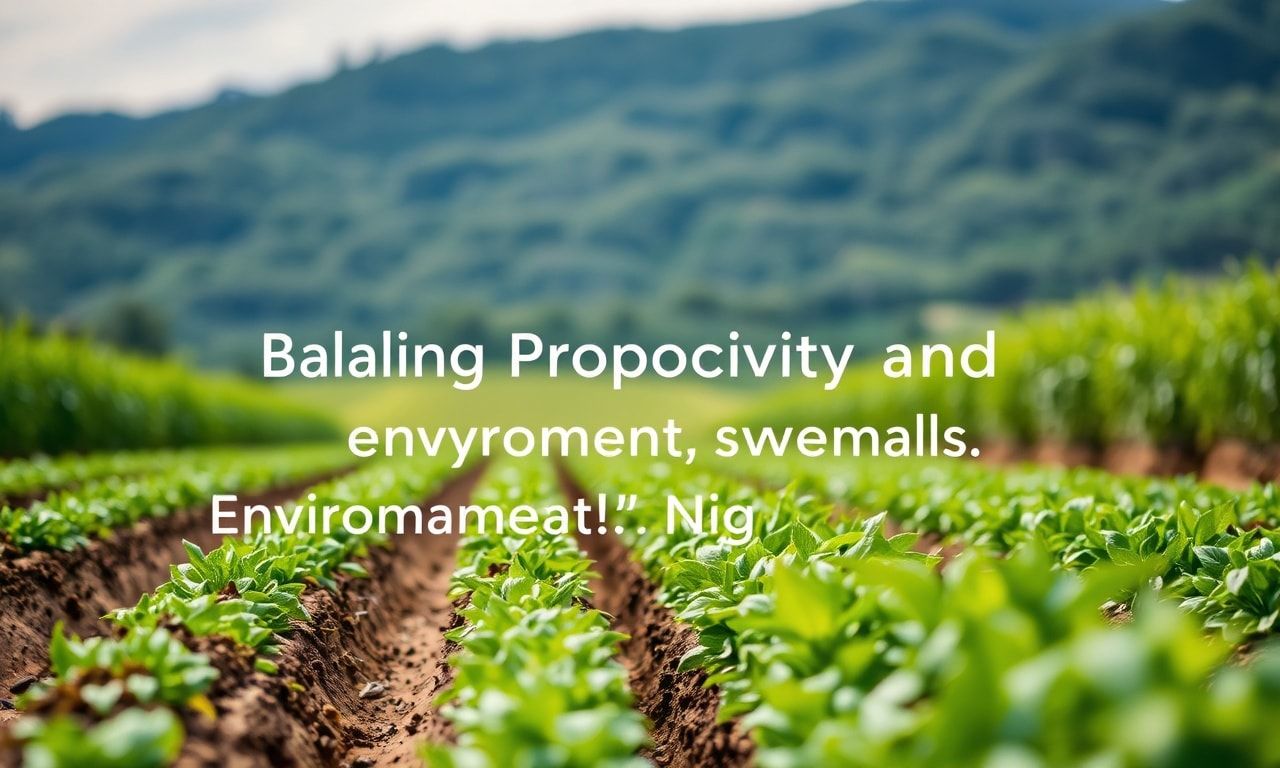
Introduction to Sustainable Farming
Sustainable farming is a holistic approach to agriculture that focuses on productivity while minimizing environmental impact. This method integrates various practices to ensure long-term soil health, biodiversity, and efficient use of resources. As the world grapples with climate change and resource depletion, sustainable farming practices are becoming increasingly vital. Farmers are adopting techniques that not only enhance crop yields but also promote ecological balance and resilience.
The Importance of Soil Health
Soil health is the foundation of sustainable farming. Healthy soil supports robust plant growth, retains moisture efficiently, and reduces the need for chemical inputs. Practices such as crop rotation, cover cropping, and reduced tillage are essential for maintaining soil fertility. Crop rotation helps in breaking pest and disease cycles, while cover cropping prevents soil erosion and improves soil structure. Reduced tillage minimizes soil disturbance, preserving beneficial microorganisms and organic matter.
Benefits of Crop Rotation
Crop rotation offers numerous benefits, including:
- Improved soil structure and fertility
- Reduced erosion and runoff
- Enhanced water retention
- Decreased reliance on synthetic fertilizers and pesticides
By rotating crops, farmers can also diversify their income streams and reduce the risk of crop failure due to pests or diseases.
Water Management and Conservation
Efficient water management is crucial for sustainable farming, especially in regions prone to drought. Techniques such as drip irrigation, rainwater harvesting, and mulching help conserve water and reduce wastage. Drip irrigation delivers water directly to the roots of plants, minimizing evaporation and runoff. Rainwater harvesting involves collecting and storing rainwater for agricultural use, which can be particularly beneficial in arid regions. Mulching, on the other hand, helps retain soil moisture and suppress weeds, reducing the need for frequent irrigation.
Innovative Water Conservation Techniques
Farmers are increasingly adopting innovative water conservation techniques to combat water scarcity. These include:
- Drip irrigation systems
- Rainwater harvesting systems
- Soil moisture sensors
- Subsurface drip irrigation
These techniques not only conserve water but also improve crop yields and reduce production costs.
The Role of Biodiversity in Sustainable Farming
Biodiversity is a key component of sustainable farming. A diverse ecosystem supports a wide range of beneficial insects, birds, and microorganisms that contribute to pest control and pollination. Practices such as agroforestry, intercropping, and maintaining hedgerows can enhance biodiversity on farms. Agroforestry involves integrating trees with crops and livestock, providing multiple benefits such as improved soil health, carbon sequestration, and increased biodiversity. Intercropping, or growing multiple crops together, can improve resource use efficiency and reduce pest and disease outbreaks.
Agroforestry Benefits
Agroforestry offers several benefits, including:
- Improved soil fertility
- Enhanced carbon sequestration
- Increased biodiversity
- Reduced erosion and runoff
By integrating trees with crops and livestock, farmers can create a more resilient and sustainable farming system.
Climate Change and Local Climate Action News
Climate change poses significant challenges to agriculture, including increased frequency of extreme weather events, shifting growing seasons, and changing pest and disease patterns. Farmers must adapt to these changes by adopting resilient farming practices. Staying informed about local climate action news can help farmers make informed decisions and implement effective strategies to mitigate climate impacts. For instance, farmers can adopt climate-smart practices such as using drought-resistant crop varieties, implementing conservation tillage, and practicing integrated pest management. These practices not only enhance farm resilience but also contribute to broader climate action efforts.
For the latest updates on local climate action news, farmers can visit local climate action news to stay informed about policies, initiatives, and technologies that can support sustainable farming.
Conclusion
Sustainable farming practices are essential for ensuring long-term agricultural productivity while minimizing environmental impact. By focusing on soil health, water management, biodiversity, and climate resilience, farmers can create a more sustainable and productive farming system. Adopting these practices not only benefits individual farms but also contributes to broader environmental and climate goals. As the world continues to face environmental challenges, sustainable farming will play a crucial role in ensuring food security and ecological balance.
To learn about innovative approaches and opportunities in the field, explore our latest piece on sustainable agriculture's future.