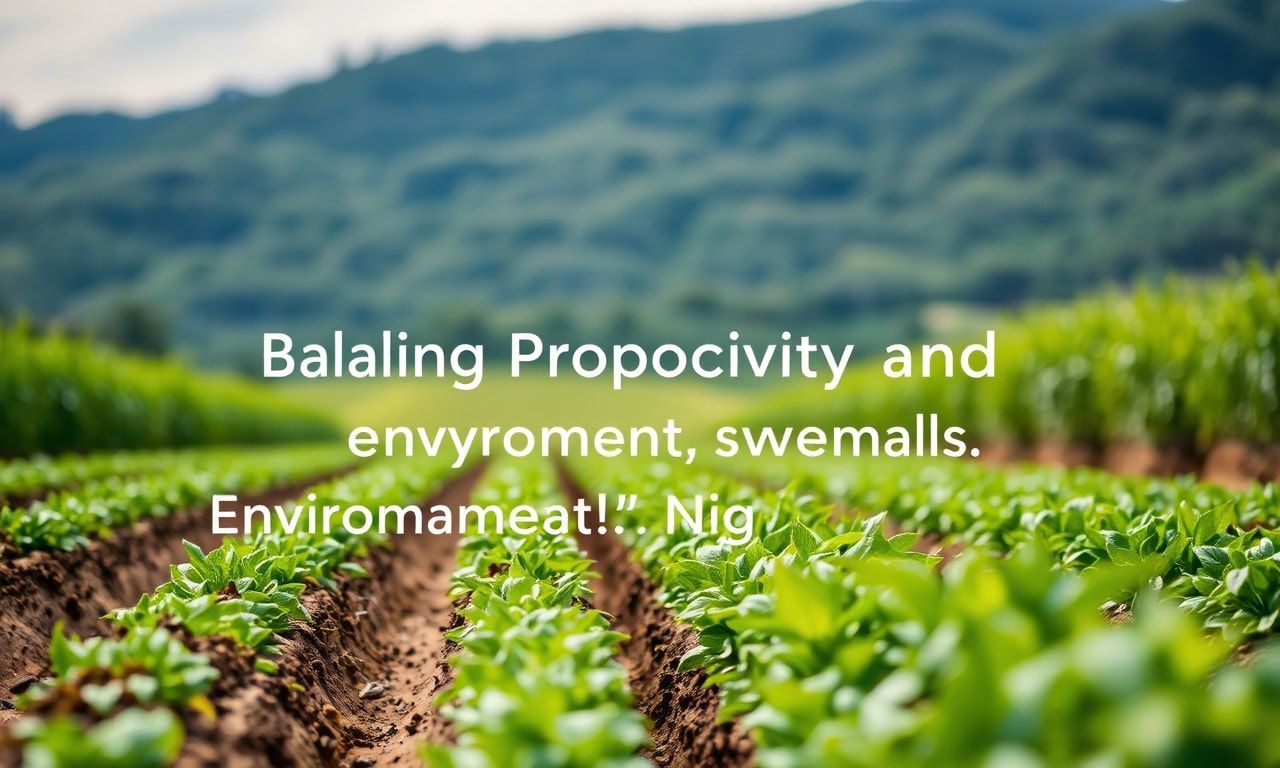
The Importance of Sustainable Farming
In the face of a growing global population and increasing environmental concerns, sustainable farming practices have become more crucial than ever. Sustainable agriculture focuses on producing food and other agricultural products in a way that protects the environment, public health, human communities, and animal welfare. It emphasizes the responsible management of resources such as water, soil, and energy, ensuring that they remain viable for future generations.
Farmers and agricultural professionals are increasingly adopting sustainable practices to meet the demands of a changing climate and evolving consumer preferences. By integrating innovative techniques and technologies, they can enhance productivity while minimizing their environmental footprint. This approach not only benefits the planet but also contributes to the long-term economic viability of farming operations.
Key Principles of Sustainable Farming
Sustainable farming is built on several core principles that guide agricultural practices. These principles include:
- Soil Health: Maintaining and improving soil fertility through practices like crop rotation, cover cropping, and reduced tillage.
- Water Management: Efficient use of water resources, including irrigation techniques that minimize waste and conserve this precious resource.
- Biodiversity: Promoting biodiversity by creating habitats for beneficial insects, birds, and other wildlife that support ecosystem health.
- Reduced Chemical Use: Minimizing the use of synthetic fertilizers and pesticides by employing integrated pest management (IPM) and organic farming methods.
- Energy Efficiency: Utilizing renewable energy sources and improving energy efficiency in farming operations.
By adhering to these principles, farmers can create a more resilient and sustainable agricultural system that benefits both the environment and the community.
The Role of Technology in Sustainable Agriculture
Technology plays a pivotal role in advancing sustainable farming practices. Innovations such as precision agriculture, drones, and satellite imagery enable farmers to monitor their fields more accurately and make data-driven decisions. These technologies help optimize the use of resources, reduce waste, and improve overall farm efficiency.
For example, precision agriculture uses GPS and sensors to apply fertilizers and pesticides only where they are needed, reducing chemical runoff and environmental impact. Drones and satellite imagery provide real-time data on crop health, soil moisture, and pest infestations, allowing farmers to take timely action and prevent potential losses.
Additionally, advancements in biotechnology have led to the development of genetically modified crops that are more resistant to pests, diseases, and harsh weather conditions. These crops require fewer inputs and can thrive in challenging environments, contributing to more sustainable farming practices.
Integrating Fashion and Agriculture
While sustainable farming is primarily focused on agricultural practices, it’s interesting to note how other industries are also embracing sustainability. For instance, the fashion industry is increasingly adopting eco-friendly materials and practices. If you’re looking for sustainable fashion options, consider exploring mode pour plage for stylish and environmentally conscious choices that align with your values.
Challenges and Solutions in Sustainable Farming
Despite the numerous benefits of sustainable farming, there are several challenges that farmers face. These include initial investment costs, lack of access to technology, and resistance to change. However, there are also solutions and support systems in place to help farmers overcome these obstacles.
Government programs and non-profit organizations offer grants, subsidies, and technical assistance to farmers who wish to adopt sustainable practices. These programs provide financial support for implementing new technologies, training, and education on best practices. Additionally, cooperatives and farmer networks facilitate knowledge sharing and collaboration, enabling farmers to learn from each other’s experiences and successes.
Education and awareness campaigns are also crucial in promoting sustainable farming. By educating farmers, consumers, and policymakers about the importance of sustainable practices, we can create a more supportive environment for their adoption. Schools, universities, and agricultural extension services play a vital role in disseminating information and fostering a culture of sustainability.
The Future of Sustainable Farming
The future of sustainable farming looks promising, with ongoing research and innovation driving the development of new techniques and technologies. Advances in artificial intelligence, robotics, and data analytics are expected to revolutionize farming practices, making them more efficient and environmentally friendly.
Furthermore, the growing demand for organic and locally produced food is encouraging farmers to adopt sustainable practices. Consumers are increasingly aware of the environmental and health benefits of sustainable agriculture, and their purchasing decisions are driving market trends. This shift in consumer behavior is creating new opportunities for farmers who embrace sustainability.
In conclusion, sustainable farming is not just a trend but a necessity for the future of agriculture. By adopting sustainable practices, farmers can protect the environment, ensure the long-term viability of their operations, and contribute to the well-being of their communities. With the support of technology, education, and policy, the agricultural sector can continue to evolve and meet the challenges of a changing world.
To delve deeper into the future of agriculture, consider exploring sustainable farming investments, an insightful piece on securing our agricultural future.