The Evolution of Sustainable Agriculture
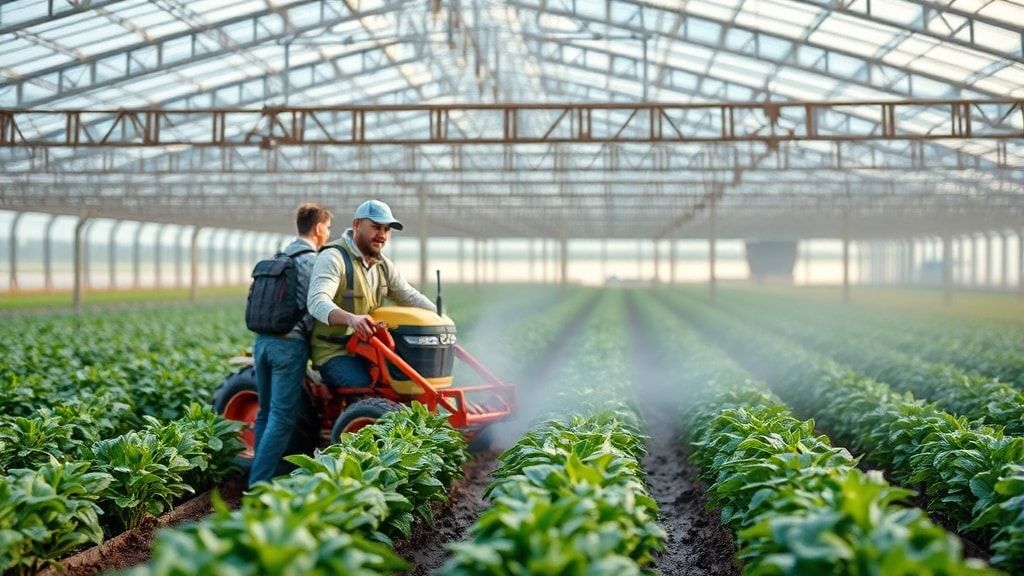
Sustainable agriculture has evolved significantly over the past few decades, driven by the need to meet the food demands of a growing population while minimizing environmental impact. This evolution has been marked by a shift from conventional farming practices to more eco-friendly methods that prioritize soil health, biodiversity, and resource efficiency. The integration of technology, such as precision farming and biotechnology, has further revolutionized the way farmers approach sustainability. These advancements have not only improved crop yields but also reduced the ecological footprint of agricultural activities.
The Role of Crop Rotation in Sustainable Farming
Crop rotation is a fundamental practice in sustainable agriculture that involves growing different types of crops in the same area in sequential seasons. This method helps to maintain soil fertility, reduce soil erosion, and control pests and diseases. By rotating crops, farmers can break pest and disease cycles, which reduces the need for chemical pesticides and fertilizers. Additionally, crop rotation enhances soil structure and nutrient content, leading to healthier plants and higher yields. Farmers who implement crop rotation often find that their soil requires less intervention and produces more resilient crops over time.
Innovations in Water Management
Water management is a critical aspect of sustainable agriculture, especially in regions prone to drought or water scarcity. Innovations in water management include drip irrigation, rainwater harvesting, and soil moisture sensors. Drip irrigation delivers water directly to the roots of plants, minimizing water waste and improving plant health. Rainwater harvesting involves collecting and storing rainwater for agricultural use, which can significantly reduce reliance on groundwater. Soil moisture sensors provide real-time data on soil moisture levels, allowing farmers to optimize irrigation schedules and conserve water. These technologies not only enhance water efficiency but also contribute to the overall sustainability of farming practices.
The Importance of Biodiversity in Agriculture
Biodiversity plays a crucial role in sustainable agriculture by promoting ecosystem resilience and productivity. A diverse agricultural system includes a variety of crops, livestock, and beneficial insects that contribute to a balanced ecosystem. This diversity helps to control pests naturally, improve soil health, and enhance the nutritional value of crops. Farmers can promote biodiversity by planting cover crops, creating hedgerows, and integrating livestock into their farming systems. By fostering a diverse agricultural environment, farmers can reduce the need for chemical inputs and create a more sustainable and resilient farming system.
Staying Informed with Current Agricultural News
Keeping up with the latest trends and developments in the agricultural sector is essential for farmers and stakeholders. For the most up-to-date information on agricultural practices, innovations, and policies, it is beneficial to follow reliable sources such as tarım sektörü haberleri güncel. These resources provide valuable insights into emerging technologies, sustainable practices, and market trends that can help farmers make informed decisions. Staying informed enables farmers to adopt best practices, improve their operations, and contribute to a more sustainable agricultural future.
Conclusion
Sustainable agriculture is a dynamic and evolving field that offers numerous benefits for farmers, consumers, and the environment. By adopting practices such as crop rotation, innovative water management, and promoting biodiversity, farmers can enhance the sustainability of their operations. Staying informed through reliable sources like tarım sektörü haberleri güncel ensures that farmers are equipped with the knowledge and tools needed to succeed in an ever-changing agricultural landscape. As the world continues to face environmental challenges, sustainable agriculture will play a pivotal role in ensuring food security and ecological balance for future generations.
To learn about eco-friendly farming practices that can help preserve our planet, consider exploring sustainable agriculture methods today and their benefits for future generations.