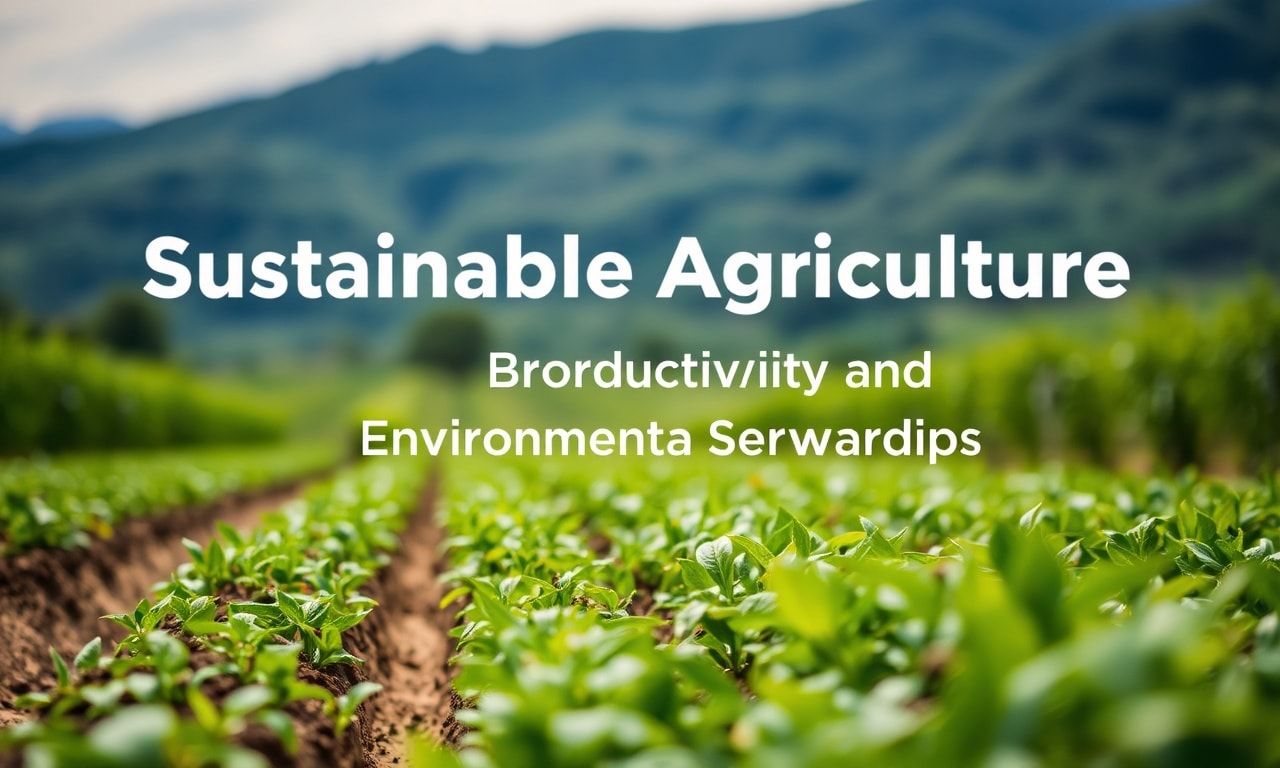
The Essence of Sustainable Agriculture
Sustainable agriculture is a holistic approach to farming that aims to meet the needs of the present without compromising the ability of future generations to meet their own needs. It encompasses a variety of practices that are environmentally sound, economically viable, and socially responsible. This approach is crucial in an era where the global population is growing, and the demand for food is increasing, but the resources available for agriculture are becoming scarcer.
The Pillars of Sustainable Agriculture
Sustainable agriculture rests on three main pillars: environmental health, economic profitability, and social and economic equity. Environmental health involves maintaining and enhancing the natural resource base while minimizing pollution and environmental degradation. Economic profitability ensures that agricultural practices are financially viable in the long term. Social and economic equity aims to provide fair wages and conditions for farm workers and ensure that rural communities thrive.
Environmental Health
Environmental health in agriculture focuses on preserving the soil, water, and air quality. Practices such as crop rotation, cover cropping, and reduced tillage help maintain soil health and prevent erosion. Integrated pest management (IPM) reduces the need for chemical pesticides, which can harm beneficial insects and pollinators. Conservation tillage and agroforestry practices can also improve water quality by reducing runoff and sediment loss.
Economic Profitability
Economic profitability is essential for the long-term success of sustainable agriculture. Farmers must be able to make a living from their work, and this requires efficient use of resources and access to markets. Direct-to-consumer sales, such as through farmers’ markets or community-supported agriculture (CSA) programs, can provide higher returns for farmers. Additionally, government subsidies and incentives for sustainable practices can help offset the costs of transitioning to more environmentally friendly methods.
Social and Economic Equity
Social and economic equity ensures that the benefits of sustainable agriculture are shared equitably among all stakeholders. This includes fair wages and working conditions for farm workers, access to education and healthcare, and support for rural communities. Sustainable agriculture also promotes food security by ensuring that everyone has access to nutritious and affordable food. Initiatives such as food banks, school lunch programs, and community gardens can help address food insecurity and promote social equity.
The Role of Technology in Sustainable Agriculture
Technology plays a crucial role in advancing sustainable agriculture. Precision agriculture, for example, uses GPS and satellite imagery to optimize the use of water, fertilizers, and pesticides, reducing waste and environmental impact. Drones and sensors can monitor crop health and soil conditions, allowing farmers to make data-driven decisions. Additionally, mobile apps and online platforms can help farmers plan their travel itinerary planning guide and manage their operations more efficiently.
Challenges and Opportunities
While sustainable agriculture offers many benefits, it also faces several challenges. One of the main challenges is the initial cost of transitioning to sustainable practices, which can be prohibitive for small-scale farmers. Additionally, there is a need for more research and development to improve the efficiency and effectiveness of sustainable practices. However, there are also many opportunities for innovation and collaboration. Partnerships between farmers, researchers, and policymakers can help overcome these challenges and promote the widespread adoption of sustainable agriculture.
Conclusion
Sustainable agriculture is a vital approach to meeting the food needs of a growing population while protecting the environment and promoting social equity. By adopting sustainable practices, farmers can improve the health of their soils, reduce their environmental impact, and ensure the long-term viability of their operations. Technology and innovation will play a crucial role in advancing sustainable agriculture, and collaboration among stakeholders will be essential for overcoming the challenges ahead. As consumers, we can also support sustainable agriculture by choosing to buy locally grown, organic, and sustainably produced foods. Together, we can create a more sustainable and equitable food system for all.
To ensure long-term stability and growth in your agricultural endeavors, consider exploring smart wealth management strategies tailored to your unique needs.
To stay ahead in the ever-evolving world of agriculture, delve into sustainable farming innovations shaping the future of crop cultivation and rural development.
To delve deeper into the future of farming, consider exploring sustainable agriculture practices and innovations shaping the industry.