The Importance of Sustainable Agriculture
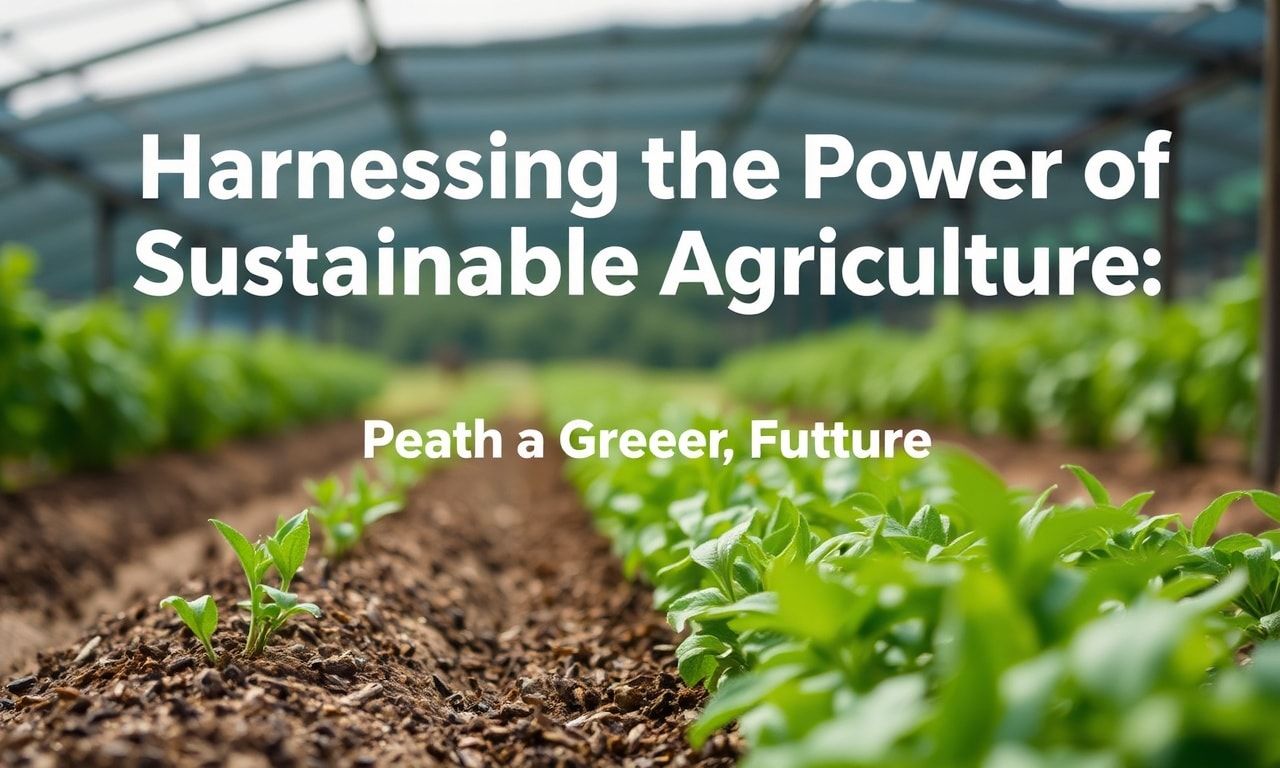
Sustainable agriculture is a holistic approach to farming that prioritizes environmental health, economic profitability, and social well-being. It focuses on producing food, fiber, and other goods in a manner that protects natural resources, promotes biodiversity, and ensures the long-term viability of farming communities. As the global population continues to grow, the demand for food increases, making sustainable agriculture not just an option, but a necessity.
Key Principles of Sustainable Agriculture
Sustainable agriculture is built on several key principles:
- Soil Health: Maintaining and improving soil health is crucial. Practices like crop rotation, cover cropping, and reduced tillage help preserve soil structure and fertility.
- Water Management: Efficient water use is vital. Techniques such as drip irrigation and rainwater harvesting can significantly reduce water waste.
- Biodiversity: Promoting biodiversity helps create resilient ecosystems. Integrated pest management (IPM) and agroforestry are examples of practices that support biodiversity.
- Energy Efficiency: Reducing energy inputs and increasing energy efficiency can lower costs and environmental impact. Renewable energy sources like solar and wind power can be integrated into farming operations.
- Economic Viability: Sustainable agriculture must be economically viable. Farmers need to balance environmental stewardship with profitable business practices.
The Role of Technology in Sustainable Agriculture
Technology plays a pivotal role in advancing sustainable agriculture. Precision farming, for instance, uses GPS and satellite imagery to optimize crop yields and reduce resource waste. Drones and sensors can monitor soil conditions and crop health, providing real-time data to farmers. Additionally, biotechnology offers solutions like genetically modified crops that are resistant to pests and diseases, reducing the need for chemical inputs. As technology continues to evolve, its integration into farming practices will be essential for achieving sustainability goals.
Challenges and Solutions
Despite its benefits, sustainable agriculture faces several challenges. Climate change, for example, poses significant threats to crop yields and water availability. Farmers must adapt to changing weather patterns and extreme events. One way to mitigate these challenges is through the use of climate-smart agricultural practices, which include techniques like agroforestry and conservation tillage. Another challenge is the economic pressure on farmers to produce more with fewer resources. Government policies and financial incentives can help farmers transition to sustainable practices by providing support and resources.
Incorporating sustainable practices into daily farming routines can also be facilitated by resources that offer practical tips and strategies. For instance, websites like günlük yaşamı daha rahat hale getirmek için ipuçları provide valuable insights into making daily life more manageable, which can be applied to agricultural settings as well. By adopting these practices, farmers can enhance their productivity and sustainability.
The Future of Sustainable Agriculture
The future of sustainable agriculture looks promising, with increasing awareness and investment in eco-friendly practices. Governments, non-profit organizations, and private companies are collaborating to promote sustainable farming techniques. Education and training programs are being developed to equip farmers with the knowledge and skills needed to implement these practices effectively. As consumer demand for sustainably produced food continues to grow, the market for sustainable agriculture will expand, creating new opportunities for farmers and businesses alike.
Consumer Role in Promoting Sustainable Agriculture
Consumers play a crucial role in promoting sustainable agriculture. By choosing to buy locally produced, organic, and sustainably sourced products, consumers can support farmers who prioritize environmental stewardship. Additionally, consumers can advocate for policies that promote sustainable agriculture and support research and development in this field. Education and awareness campaigns can help consumers understand the importance of sustainable agriculture and make informed choices.
Conclusion
Sustainable agriculture is a vital component of a greener future. By adopting practices that prioritize environmental health, economic profitability, and social well-being, farmers can ensure the long-term viability of their operations and contribute to a healthier planet. The integration of technology, the overcoming of challenges, and the active participation of consumers are all essential for the success of sustainable agriculture. As we move forward, it is crucial to continue advocating for and investing in sustainable agricultural practices to create a more sustainable and resilient food system.
For a deeper understanding of this topic, Tarımda Sürdürülebilirlik: Çiftçilik Yöntemlerini Modernize Etmek offers valuable insights worth exploring.
For a deeper understanding of this topic, Sürdürülebilir Tarım ve Çiftçilik: Geleceğe Yönelik offers valuable insights worth exploring.
You may also find Modetrends 2023: Stilvolle Inspirationen für jeden helpful as it covers related aspects of this subject.