The Rise of Agroforestry in Modern Agriculture
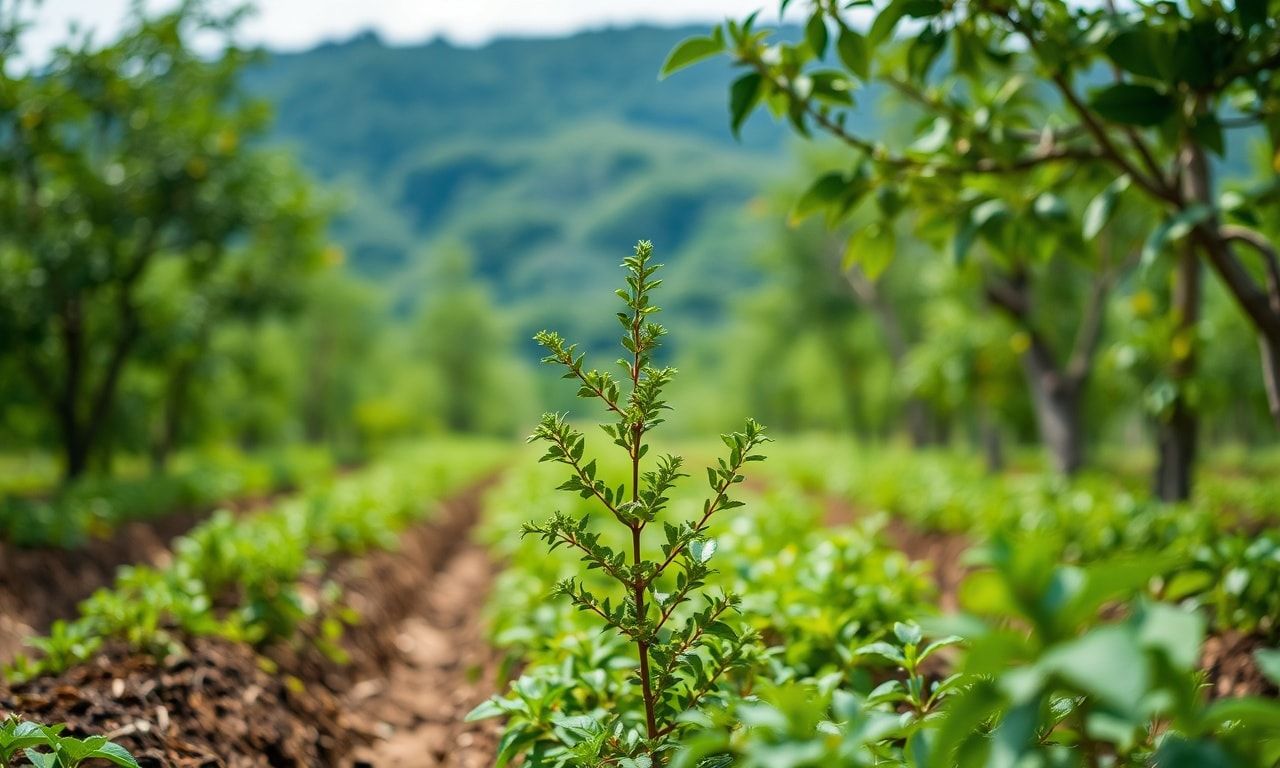
In the ever-evolving landscape of modern agriculture, farmers and agriculturalists are continually seeking innovative and sustainable practices to enhance productivity and environmental stewardship. One such practice gaining significant traction is agroforestry. This integrated approach combines agriculture and forestry to create diverse, productive, and resilient farming systems. By incorporating trees into agricultural landscapes, farmers can improve soil health, enhance biodiversity, and create additional revenue streams.
The Benefits of Agroforestry
Agroforestry offers a multitude of benefits that can transform traditional farming practices. Some of the key advantages include:
- Soil Health and Erosion Control: Trees play a crucial role in preventing soil erosion by stabilizing the soil with their root systems. They also contribute to improved soil fertility through the addition of organic matter from leaf litter and nutrient cycling.
- Biodiversity Enhancement: Incorporating trees into agricultural landscapes provides habitats for a wide range of wildlife, promoting biodiversity and supporting ecosystem services such as pollination and pest control.
- Climate Resilience: Agroforestry systems are often more resilient to climate change impacts, such as droughts and extreme weather events, due to the diverse range of plant species and their ability to adapt to changing conditions.
- Economic Diversification: Farmers can generate additional income through the sale of timber, fruits, nuts, and other tree products, providing a more stable and diversified income stream.
Implementing Agroforestry Practices
To successfully implement agroforestry, farmers need to consider several factors, including tree selection, spacing, and management practices. Here are some practical steps to get started:
- Assess Your Farm: Evaluate your farm’s soil type, climate, and existing vegetation to determine the most suitable tree species for your agroforestry system.
- Choose the Right Trees: Select tree species that complement your agricultural crops and provide additional benefits, such as shade, windbreaks, or nitrogen fixation.
- Plan Your Layout: Design your agroforestry system to optimize space and resources. Consider factors such as tree spacing, crop rotation, and irrigation requirements.
- Monitor and Maintain: Regularly monitor the health of your trees and crops, and implement appropriate management practices, such as pruning, mulching, and pest control, to ensure the long-term success of your agroforestry system.
Agroforestry and Rural Communities
Agroforestry can play a vital role in supporting rural communities by providing employment opportunities, enhancing food security, and promoting sustainable land use. By integrating trees into agricultural landscapes, farmers can create more resilient and productive farming systems that benefit both the environment and the local economy. Additionally, agroforestry can contribute to rural development by providing raw materials for local industries, such as timber, fruits, and nuts, and supporting eco-tourism initiatives.
For those interested in staying informed about the latest developments in agriculture and rural topics, exploring resources like top sports news stories you need to know can provide valuable insights and inspiration for implementing innovative practices on your farm.
Case Studies and Success Stories
Numerous success stories demonstrate the potential of agroforestry to transform traditional farming practices and enhance sustainability. For example, in Central America, farmers have successfully integrated shade-grown coffee with trees, creating a more resilient and productive agricultural system. Similarly, in Africa, agroforestry practices have been used to combat desertification and improve soil fertility, leading to increased crop yields and enhanced food security.
These case studies highlight the importance of adopting a holistic approach to agriculture that integrates trees, crops, and livestock to create more sustainable and resilient farming systems. By learning from these success stories, farmers can gain valuable insights and inspiration for implementing agroforestry practices on their own farms.
The Future of Agroforestry
As the global population continues to grow and climate change impacts become more pronounced, the need for sustainable and resilient agricultural practices has never been greater. Agroforestry offers a promising solution to these challenges by combining the best of agriculture and forestry to create diverse, productive, and environmentally friendly farming systems. By embracing agroforestry, farmers can not only enhance their productivity and profitability but also contribute to the preservation of our planet’s natural resources for future generations.
In conclusion, agroforestry represents a powerful tool for modern farmers seeking to enhance sustainability and resilience in their agricultural practices. By integrating trees into their farming systems, farmers can improve soil health, enhance biodiversity, and create additional revenue streams, all while contributing to the long-term health of our planet.
As farmers, understanding the celestial events that impact our crops is crucial, so we recommend exploring the solar eclipse phenomenon and its effects on agriculture.
To delve deeper into sustainable agricultural practices, consider exploring sustainability in farming and forestry, an insightful piece on balancing productivity with environmental stewardship.
As sustainability and rural development continue to gain importance, understanding the legal frameworks that support these efforts is crucial; explore the implications of foreign applications in Turkish law and justice with our detailed analysis on legal aspects of agriculture.