The Evolution of Agriculture: From Traditional to Tech-Savvy
Agriculture has come a long way from the days of manual labor and traditional farming methods. Today, technology plays a pivotal role in enhancing productivity, sustainability, and efficiency in the agricultural sector. Modern farmers are increasingly adopting tech-savvy approaches to tackle challenges such as climate change, resource depletion, and market fluctuations. This shift towards technological integration is not just a trend but a necessity for the future of farming.
The Role of Technology in Sustainable Agriculture
Sustainable agriculture aims to meet society’s food needs without compromising the environment or future generations’ ability to do the same. Technology is a key enabler in achieving this goal. From precision farming to data analytics, technological advancements are helping farmers optimize resource use, reduce waste, and improve crop yields. For instance, drones equipped with advanced sensors can monitor crop health and soil conditions, providing real-time data that farmers can use to make informed decisions.
Moreover, the integration of Internet of Things (IoT) devices in agriculture allows for remote monitoring and control of farming operations. Sensors placed in fields can measure soil moisture, temperature, and nutrient levels, ensuring that crops receive the optimal conditions for growth. This not only enhances productivity but also conserves water and reduces the need for chemical fertilizers, contributing to a more sustainable farming practice.
Precision Farming: The Future of Agriculture
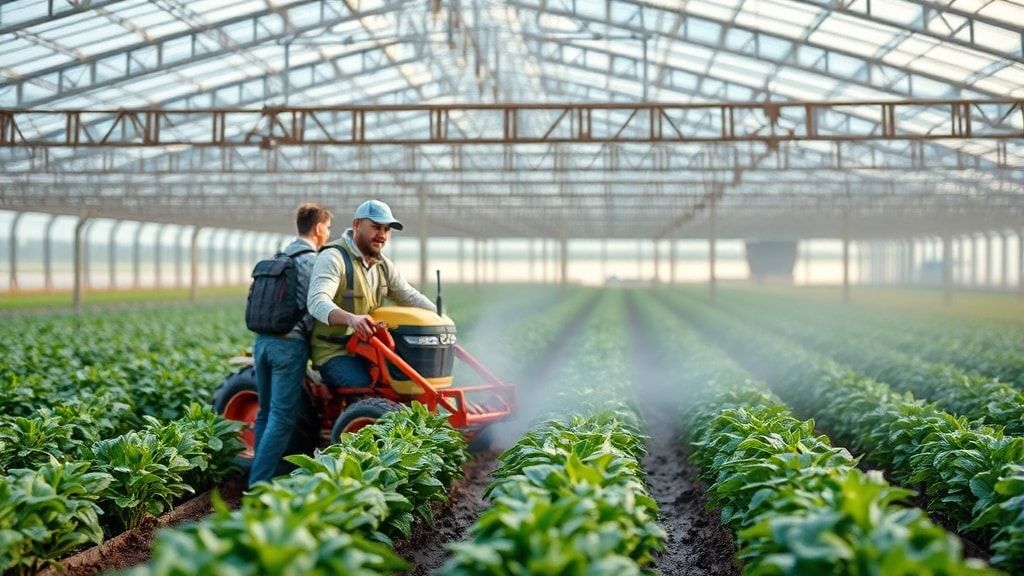
Precision farming is a modern approach that leverages technology to manage agricultural fields and crops with precision. This method involves the use of GPS technology, satellite imagery, and data analytics to monitor and manage field operations. By analyzing data from various sources, farmers can identify areas that require attention, such as soil nutrient deficiencies or pest infestations, and take targeted actions to address these issues.
One of the most significant benefits of precision farming is its ability to reduce input costs while increasing yields. By applying fertilizers and pesticides only where they are needed, farmers can minimize waste and environmental impact. Additionally, precision farming tools like autonomous tractors and harvesters can operate around the clock, increasing efficiency and reducing labor costs. This approach not only benefits farmers but also contributes to a more sustainable and environmentally friendly agricultural system.
The Importance of Data Analytics in Agriculture
Data analytics is another critical technology that is transforming the agricultural sector. By collecting and analyzing data from various sources, farmers can gain valuable insights into their operations and make data-driven decisions. For example, data analytics can help farmers predict weather patterns, optimize planting schedules, and identify the most profitable crops to grow.
Furthermore, data analytics can be used to monitor and manage livestock operations. By tracking animal health and behavior, farmers can detect early signs of disease and take preventive measures. This not only improves animal welfare but also reduces the need for antibiotics and other treatments, contributing to a more sustainable and ethical farming practice.
Challenges and Considerations
While technology offers numerous benefits for sustainable agriculture, it also presents challenges and considerations. One of the main challenges is the cost of implementing new technologies. For small-scale farmers, the initial investment in technology can be prohibitive. However, there are various government and private sector initiatives aimed at providing financial assistance and resources to help farmers adopt new technologies.
Another challenge is the need for training and education. Farmers need to be equipped with the knowledge and skills to effectively use new technologies. This requires ongoing training and support, which can be provided through agricultural extension services, online courses, and community programs. Additionally, farmers need to be aware of the latest developments in technology and how they can be applied to their operations. Websites like crime news tips and tricks can provide valuable insights and resources for farmers looking to stay informed and up-to-date.
Finally, farmers need to consider the ethical and environmental implications of adopting new technologies. While technology can enhance productivity and sustainability, it is essential to ensure that it is used responsibly and ethically. Farmers should prioritize the well-being of their workers, the environment, and the communities in which they operate.
Conclusion: Embracing Technology for a Sustainable Future
As the agricultural sector continues to evolve, technology will play an increasingly important role in shaping its future. By embracing technology, farmers can enhance productivity, sustainability, and efficiency, ensuring that they can meet the growing demand for food while protecting the environment. However, it is essential to address the challenges and considerations associated with technology adoption to ensure that it is used responsibly and ethically. By doing so, farmers can contribute to a more sustainable and prosperous future for agriculture and the communities it supports.
To delve into the latest advancements and sustainable practices in agriculture, explore innovations in eco-friendly farming and discover how they can transform your farming techniques.
To stay ahead in the ever-evolving world of agriculture, discover how innovative farming techniques are shaping the future of sustainable crop production.
As we strive to balance productivity and environmental responsibility, exploring sustainable farming solutions becomes increasingly important for the future of agriculture.