
10 min read · Updated: 2026-10-12
You asked for a practical bridge between food writing and a daily online resource. This guide explains how a reader can use Anime Manga Daily online to spark dinner ideas, discover new flavors, and connect with a global kitchen culture. You’ll find concrete steps to integrate that site into meal planning and recipe research.
From the start, expect clear, actionable moves: how to assess content quality, how to translate inspiration into dishes, and how to avoid overwhelm by using focused sections. The goal is to keep cooking joyful while expanding your culinary horizons through reliable online resources.
As you read, you’ll see that every paragraph offers a usable idea—whether it’s interpreting a dish from a manga-inspired post, bookmarking recipes, or testing ideas with simple pantry swaps. The approach prizes practical tactics over hype, and it centers your real kitchen needs.
- A clear guide to using Anime Manga Daily online as a practical food-resource, not a hobby site. It shows how to evaluate recipes, adapt techniques, and build weekly plans.
- Readers learn to translate online ideas into meals with confidence, avoiding common pitfalls and waste.
- The approach stays grounded in cooking realities—pantry checks, timing, and taste—while expanding culinary curiosity.
- With concrete steps and real-world tips, you can integrate this resource into everyday cooking without losing flavor or focus.
Basics of finding food ideas online
Assess the source quality
Start with the site’s breadth and tone. Look for detailed recipes, clear steps, and ingredient lists that match what you keep in your kitchen. Compare two or three posts to see consistency in measurements and timing.
- Skimming without reading the recipe steps; instead, read the method before deciding to cook
- Ignoring ingredient lists; always compare with what you have
- Saving everything; curate a small, reliable set of go-to posts
Use the search function to filter by ingredient you already have, not by a trend. Favor posts that explain seasonality and technique, not just visuals.
Watch for ad-heavy pages that push non-recipe content; bookmark the clean, recipe-focused pages for quick reference.
- Check ingredients and quantities
- Note technique notes
- Look for seasonality cues
- Save trustworthy recipes
- Ignore gimmicky banners
Choosing a dish to cook
When you’re deciding what to cook, scan two or three posts for a common thread—season, main protein, or flavor profile. Choose one recipe to try that fits your week’s schedule and pantry. This keeps your cooking realistic and enjoyable.
Note how the author handles substitutions; recipes that suggest workable swaps help you adapt without sacrificing flavor.
Finish by listing ingredients you have and what you’ll need, so shopping is efficient and precise.
- Identify a baseline flavor
- Check protein and veg balance
- Plan substitutions ahead
- Set a simple prep routine
- Estimate total time
How it connects to cooking techniques
Technique-first guidance
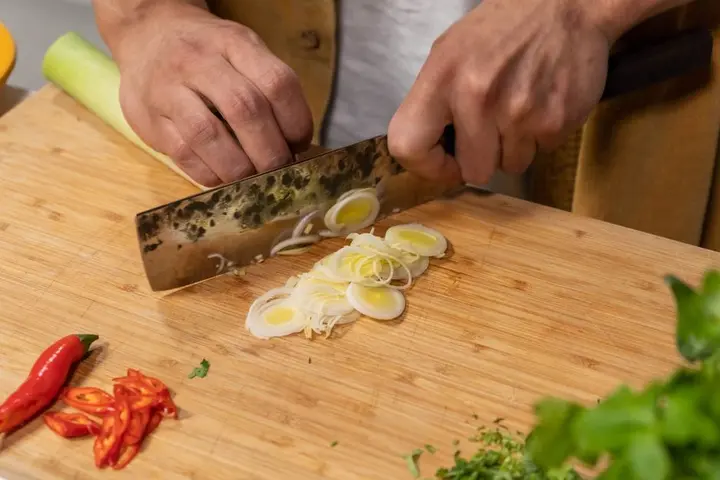
Some posts emphasize a core technique such as searing, emulsifying, or simmering. Start with that technique in a simple dish to build confidence. You’ll understand the foundation before adding complex flavors. A useful resource on this topic: list your event in the USA.
Observe how the author builds flavor through technique, not just ingredients. A well-executed browning step can elevate a familiar recipe.
Record notes on timing and heat levels so you can reproduce the texture and doneness in your own kitchen.
- Focus on one technique at a time
- Make a notes template
- Practice with a staple protein
- Use a thermometer when needed
Flavor building through pairings
Use the site’s suggested pairings to inform your own shopping list. If a post links to a contrasting flavor, try a small test batch to gauge compatibility. This approach reduces waste while expanding your repertoire.
Note how cultural context frames flavor choices; use that as a guide to balance umami, acidity, and sweetness in your dish.
End by jotting a quick tasting plan: what you’ll smell, taste, and adjust as you cook.
- Test one pairing at a time
- Keep a tasting log
- Balance acidity and sweetness
- Adjust with a small extra knob of fat
- Trust your palate
Options for planning meals
Weekly menu templates
Create a simple template to map out dinners for the week. A reliable template keeps you from scrambling after a long day and helps you use up ingredients efficiently. A useful resource on this topic: USA business listings.
Use Anime Manga Daily online as a source of weekly ideas rather than a one-off inspiration. Build a rotation that suits your taste and schedule.
Keep a short shopping list linked to the week’s plan to streamline prep and reduce waste.
- Template: 4 dinners, 1 flexible night
- Keep a pantry list
- Plan 1 vegetarian option
- Assign prep tasks
- Shop once for the week
| Feature | Substitution Ease | Flavor Impact |
|---|---|---|
| Technique emphasis | Medium | High |
| Cooking speed | Fast | Moderate |
| Equipment needs | Low | Medium |
Using content as a springboard
Treat posts as ideas, not strict recipes. Adapt techniques and flavors to your pantry and dietary needs. This makes online content practical rather than intimidating.
Note whether the author’s method suits your equipment, like a standard oven vs. a modern range. If a technique requires a tool you don’t own, substitute with a simpler version.
End with a quick rework: how would you turn this into a weekday dinner in 30 minutes?
- Adapt techniques to your tools
- Substitute where needed
- Keep it simple and fast
- Write a one-dish version
- Track what works
If a page feels saturated with ads or sponsored content, move on to a cleaner recipe focus.
Pitfalls to avoid

Overreliance on a single source
Relying on one site can limit your range of flavors. Cross-check similar recipes from other respected sources to broaden your palate. A useful resource on this topic: post a classified ad in the USA.
If a page feels saturated with ads or sponsored content, move on to a cleaner recipe focus. You deserve recipes that respect your time.
Diversify your reading list to stay curious and improve your cooking intuition.
- Read multiple sources
- Ignore sponsored distractions
- Seek diverse cuisines
- Keep a personal notebook
- Rotate your go-to sites
Ingredient availability myths
Assume you need a rare ingredient to replicate a dish. Often, you can substitute with pantry staples or seasonal equivalents. Start with what you have and adjust gradually.
Keep a flexible mindset about substitutions, especially with herbs and aromatics. Fresh herbs can be swapped with dried versions if used thoughtfully.
Test a small batch before committing to a full meal to avoid waste.
- Substitute common ingredients
- Use dried herbs when fresh aren’t available
- Taste as you go
- Batch-test new ideas
- Label substitutions for next time
Practical uses in homes and communities
Everyday meal ideas with sources
This subsection shows practical ways to translate online food ideas into real meals at home. Start with a quick audit of pantry staples, then cross-check a few online inspirations against what you actually have. The goal is to turn ideas into doable steps without overcomplicating the plan. publish a death notice in the USA
- Know what you already have to avoid overbuying
- Choose flexible recipes that tolerate substitutions
- Keep notes on what worked for future use
Experiment with adaptable recipes that use common ingredients in different ways. For example, a hot grain bowl can become a cold salad with a change of greens and a new dressing. Keeping a small notebook of what worked helps future Sundays stand on solid footing.
- Audit your pantry weekly to spot quick ideas
- Choose two ideas to try per week
- Note what substitutions save time
- Keep a simple shopping list that matches your meals
Sharing food ideas in small groups
Communities thrive when ideas spread beyond the screen. Use a monthly potluck or neighborhood swap to test online finds in real life. Document results with simple photos or notes to guide others who might want to try the same dish.
Encourage participants to rate dishes on taste, ease, and cost. A short recap helps neighbors reproduce the dish without a long recipe. This practice builds trust and makes online inspiration feel tangible.
- Host a monthly cook-along
- Create a shared recipe card
- Collect quick feedback on outcomes
- Celebrate successful variations
Digital tools for cooks and readers

Choosing apps for recipes and planning
This part explains how to pick apps that suit regular cooking, not just browse menus. Look for offline access, clear measurements, and practical search filters like dietary needs. A good tool saves time by narrowing choices and organizing plans.
Try a two-week trial with a couple of different apps. Track which features you actually use, such as grocery lists or timer integration. The point is to find a workflow that complements your cooking habits without adding friction.
- Opt for offline recipe access
- Favor precise measurements
- Prefer multi-step timers and notes
- Test a couple of apps before deciding
Becoming a critical reader of online food media
Online food media can be playful, informative, and occasionally unreliable. Learn to compare sources, check ingredient lists, and watch for cooking times that align with your kitchen realities. A healthy skepticism helps you avoid overhyped trends that don’t fit your routine.
Build a simple habit: verify a recipe by outlining steps and estimating prep time before you cook. If a post uses unusual ingredients, substitute with familiar items first. This approach keeps meals pleasant and predictable.
- Compare multiple sources for the same dish
- Check ingredient lists for practicality
- Substitute unusual items with familiar ones
- Estimate prep and cook times before starting
Ethics and safety in online food media
Respectful representation and sourcing
This section emphasizes respectful portrayal of cuisines and responsible sourcing. When sharing ideas inspired by another culture, note the origin of ingredients and avoid stereotypes. Give credit for techniques that aren’t your own and seek permission when needed for certain images or stories.
Cite real sources where you learned techniques, and avoid presenting borrowed ideas as your own. If a recipe uses non-local ingredients, explain why they fit the dish rather than imply they are essential for authenticity. Clear sourcing builds trust with readers.
- Credit sources and inspirations
- Avoid stereotypes in presentation
- Explain ingredient choices thoughtfully
- Seek permission for sensitive content
Safety basics for home cooks online
Safety starts with accurate labeling and cooking temperatures. When sharing food ideas online, specify any common allergens and note substitutions. Encourage readers to handle raw ingredients with clean equipment and separately store leftovers. Clear warnings prevent avoidable mishaps in kitchens.
Provide readable guidance for substitutions that preserve safety and flavor. For steps that involve raw eggs or dairy, mention risks and safe handling. A practical approach reduces the chance of cross-contamination in busy homes.
- Label allergens clearly
- Suggest safe substitutions
- Promote clean handling practices
- Warn about cross-contamination risks
Future trends in food storytelling

Narrative formats that engage readers
Storytelling in food media is moving beyond recipes to personal narratives, cultural context, and sensory language. Readers respond to a sense of place—where ingredients come from and how a dish travels. Try blending short anecdotes with practical steps to deepen engagement without slowing the workflow.
Experiment with micro-stories that introduce a dish’s origin, followed by concrete, tested instructions. The balance keeps readers curious and confident about cooking. This approach makes content feel human and useful at once.
- Use short, vivid place-based notes
- Pair stories with practical steps
- Test the balance of narrative and instruction
- Keep timelines realistic for busy readers
This section explores how to adapt content for evolving cuisines, media formats, and audience feedback. Try alternating photo essays with how-to guides and keep a ready version of essential ingredients that appear across trends. The goal is to stay relevant while preserving reliability in recipes and descriptions.
Use reader feedback to shape future topics, like spotlighting region-specific ingredients or techniques. A flexible content plan helps a site grow with its audience. The core remains clear instructions paired with authentic storytelling.
- Alternate formats for variety
- Solicit and apply reader feedback
- Maintain core recipe reliability
- Highlight regional ingredients
Frequently asked questions
How do online sources influence weeknight cooking?
Online sources offer diverse ideas and techniques, but translating them into a practical plan is essential. Start with one anchor dish and adapt it with the week’s schedule in mind. This keeps meals coherent and reduces decision fatigue while letting you explore flavors.
What makes a food media source reliable?
Reliability comes from clear sourcing, transparent methods, and consistent practice. Look for contributors who explain substitutions and cite where techniques originate. Avoid posts that rely on hype without reproducible steps or measurements.
How can I adapt recipes for dietary needs at home?
Begin with substitutions that preserve flavor and texture. Note the changes you make and how they affect cooking times. Keep a simple log of what works, so you can apply it to future meals without losing consistency.
Where should I start when new cooking concepts feel overwhelming?
Choose a small, well-reviewed concept and implement it in a quiet evening. Focus on one technique at a time, then gradually broaden your repertoire. A steady pace builds confidence without turning cooking into stress.
Conclusion and next steps
The practical path from online ideas to what lands on the plate lies in structure: keep plans simple, substitute where needed, and note what actually works in your kitchen.
A focused seven-day goal and a tiny record of outcomes help transform curiosity into reliable habits that you can repeat. Take the first step today with one new idea adapted to your routine.


